
Our Family History
The Genealogy of the Caauwe and Sommerfeld Families

Notes
Matches 51 to 100 of 396
| # | Notes | Linked to | |||||||||||||||||||||||||||||||||
|---|---|---|---|---|---|---|---|---|---|---|---|---|---|---|---|---|---|---|---|---|---|---|---|---|---|---|---|---|---|---|---|---|---|---|---|
| 51 | 1714 | Davis, Joshua (I502252)
| |||||||||||||||||||||||||||||||||
| 52 | 1860 Federal Census for Johnson County, Texas lists J. C. Kimbrough, age 15, Male, living in the household of J. M. and R. E. Halford. | Kimbrough, John C. (I501585)
| |||||||||||||||||||||||||||||||||
| 53 | 1860 Federal Census for Johnson County, TX lists M. M. Kimbrough, age 17, Female, living in the household of J. M. and R. E. Halford. | Kimbrough, Martha Matilda (I501584)
| |||||||||||||||||||||||||||||||||
| 54 | 1RLV-3D2 | Whitten, John (I502459)
| |||||||||||||||||||||||||||||||||
| 55 | 1RLV-3GG | Whiton, Edmund (I502461)
| |||||||||||||||||||||||||||||||||
| 56 | 1RLV-3HN | Whiton, Henry (I502463)
| |||||||||||||||||||||||||||||||||
| 57 | 1st wife; children known | Davis, Mary (I502258)
| |||||||||||||||||||||||||||||||||
| 58 | 1X1D-0TV | Wardwell, Hannah (I501942)
| |||||||||||||||||||||||||||||||||
| 59 | 1Z6G-6F9 | Wardwell, Mary (I501945)
| |||||||||||||||||||||||||||||||||
| 60 | 21Aug1957/SL | Davis, Mary (I502258)
| |||||||||||||||||||||||||||||||||
| 61 | 27. Juli 1730 St. Heddinge Kirke Niels Pedersens hustru bar barnet. Faddere Jacob Hansen, Rasmus Christensen , Anna Eliasdatter, Hans Olsens hustru Ellen af Sierslev. | Pedersen, Husmand Lars (I502516)
| |||||||||||||||||||||||||||||||||
| 62 | 2d wife | Davis, Hannah (I502253)
| |||||||||||||||||||||||||||||||||
| 63 | 301, 0, 494 | Douglas, Sgt. James Harvey Sr. (I504487)
| |||||||||||||||||||||||||||||||||
| 64 | 35F4-J3 | Wardwell, Alice (I501943)
| |||||||||||||||||||||||||||||||||
| 65 | 35F4-ML | WARDWELL, UZELL (I501938)
| |||||||||||||||||||||||||||||||||
| 66 | 35F4-NR | KINSMAN, MARY (I501939)
| |||||||||||||||||||||||||||||||||
| 67 | 35F5-SL | Wardwell, Abigail (I501941)
| |||||||||||||||||||||||||||||||||
| 68 | 35F5-TR | Wardwell, Hannah (I501944)
| |||||||||||||||||||||||||||||||||
| 69 | 3VRS-H5 | Rowell, Abraham (I501940)
| |||||||||||||||||||||||||||||||||
| 70 | 3X great grandfather | Jacobs, Thomas Albert (I504507)
| |||||||||||||||||||||||||||||||||
| 71 | 3X great grandmother | Poutsch, Emma Virginia (I504508)
| |||||||||||||||||||||||||||||||||
| 72 | 4X great grandfather | Jacobs, Richard Isaac (I504519)
| |||||||||||||||||||||||||||||||||
| 73 | 4X great grandmother | Hand, Aira Ann (I504520)
| |||||||||||||||||||||||||||||||||
| 74 | 7 children - 5 Male 2 Female | Robertson, Robert John (I1667)
| |||||||||||||||||||||||||||||||||
| 75 | 8VT8-V7 | Barker, Jonathan (I501949)
| |||||||||||||||||||||||||||||||||
| 76 | 8VT8-WD | Barker, Mary (I501950)
| |||||||||||||||||||||||||||||||||
| 77 | 8VT8-XK | Barker, James (I501951)
| |||||||||||||||||||||||||||||||||
| 78 | 8VT8-ZQ | Barker, Rebecca (I501952)
| |||||||||||||||||||||||||||||||||
| 79 | 8VT9-12 | Barker, Abigail (I501955)
| |||||||||||||||||||||||||||||||||
| 80 | 8VT9-27 | Barker, Joseph (I501956)
| |||||||||||||||||||||||||||||||||
| 81 | 9 of apr 1785 here | Family: Johann Jakob Perlenfein / Anna Christina Dorn (F501662)
| |||||||||||||||||||||||||||||||||
| 82 | 9KSL-P2 | Holden, Susanna (I503211)
| |||||||||||||||||||||||||||||||||
| 83 | 9KSL-P2 | Holden, Susanna (I503211)
| |||||||||||||||||||||||||||||||||
| 84 | 9KSL-P2 | Holden, Susanna (I503211)
| |||||||||||||||||||||||||||||||||
| 85 | 9KSL-P2 | Holden, Susanna (I503211)
| |||||||||||||||||||||||||||||||||
| 86 | 9KSL-P2 | Holden, Susanna (I503211)
| |||||||||||||||||||||||||||||||||
| 87 | 9N0F-B6 | Gardner, James (I502750)
| |||||||||||||||||||||||||||||||||
| 88 | acing: 0px; margin: 0px; line-height: 1.5; border: 0px; padding: 0px;">-sizing: border-box; font-size: 15px; border-top: medium none; border-right: 0px; border-bottom: 0px; border-left: 0px; margin: 0px; border-image: initial; padding: 0px;">r-box; font-size: 13px; width: 500px; vertical-align: top; white-space: pre-wrap; font-weight: 400; padding-bottom: 5px; text-align: left; padding-top: 5px; padding-left: 10px; margin: 0px; letter-spacing: 0px; line-height: 20px; padding-right: 10px; border: 0px;">David Buell was the son of Deborah Griswold and Samuel Buell. He was born 15 Feb 1678/9. (see “The Griswold family: England-America, Vol. II, p 28) David Buell was prominent as a military man and was known as "Major David". The following document, with its antiquated phraseology, may have some interest for the descendants of Major David Buell and it is therefore subjoined. It was found among the State Papers at Hartford. To the Honorable, the Governour, and General Court now setting at New Haven, October ye 21st, 1741: These come to inform you, that I lately received an order from his Honor, ye Governour, to lead the second company of soldiers in Killingworth ( it being ye Seventh Company in ye Seventh Regiment ), to ye choice of a Captain and such other officers as should be needfull: and according to said order, upon ye 21st day of this instant, October, I led ye said Company to ye choice of a Captain, and Lieutenant. John Stevens was chosen Captain by a great majority, by fourty-six votes and ye other votes were but five, and it seems to be good satisfaction of said Company, and I pray that he may be Commissionated accordingly. “ Certifyd by us, David Buell, Major Daniel Redfield, Clerk” Major David died on February 25, 1749 at the age of 70, in Killingworth, Connecticut. His son, Jedediah, was administrator of his estate. He received L50/5/7 for administrating the estate. An inventory of Major David’s personal property and real estate was taken on April 17, 1749 and March 1, 1750, the total coming to L1474/1/5. The following items were found on the inventory of Major David: a Bible, a psalm book, dictionary and a law book, a silver hilt sword and belt, all the tools belonging to the wood turning trade, oyster rakes, and a black slave named Frank. Before Major David died he gave a tract of land to his son, Jedediah. The rest of his real estate and personal property was divided between his wife and daughters and the children of his daughter, Sarah, who died before Major David. Sources for notes about David Buell: Hist. of the Buell Family in England & America, compiled by Albert Welles, 1881, p. 35-36 Probate Records Conn., Guilford District, 1748/1749 (contributed by JamesBuell) | Buell, MAJ DAVID (I3382)
| |||||||||||||||||||||||||||||||||
| 89 |
r recordPage" style="box-sizing: border-box; font-size: 15px; background: 0px 0px; position: relative; min-height: 170px; margin: 0px; border: 0px; padding: 0px;">tyle="box-sizing: border-box; font-size: 15px; border-top: medium none; border-right: #dad7d0 1px solid; background: #fcf8ec; border-bottom: medium none; padding-bottom: 20px; padding-top: 24px; padding-left: 20px; border-left: #dad7d0 1px solid; margin: 0px; padding-right: 20px; border-image: initial; border-radius: 0px;">e="border-left-width: 0px; box-sizing: border-box; font-size: 15px; border-top: #e5e5e5 1px solid; border-right-width: 0px; width: 712px; border-bottom-width: 0px; border-collapse: collapse; table-layout: fixed; border-spacing: 0px; margin: 0px; line-height: 1.5; border-image: initial; padding: 0px;"> Life Sketch of Thomas Sayre B. 1597 Thomas Sayre was christened in July 1597 in Leighton, Bedfordshire, England. He was the child of Francis Sayres and Elizabeth Atkins. He had seven brothers and five sisters. His Mother was 27 when he was born. Thomas married Margaret Aldrich about 1619. They had four children that are known; Damaris 1625, Francis 1628, Daniel 1633 and a baby who's name is unknown. All these thilcdren were born in Leighton Buzzard, England. Thomas became a widower in August 1634 when Margaret died. In 1634, Thomas was 36, and had three children ages 9, 6, and 1 year old. Thomas had other children; Joseph, Job and Hannah. Who their mother was or where they were born in unknown. But all were mentioned in his will in 1669. When Thomas came to America is unknown, but both Thomas and his brother Job were in Lynn, Massachusetts in 1638, when they were each alloted 60 acres of land. In the next two years, seven groups were sent out from Lynn to make new settlements. In 1639, one of these groups went to Long Island, New York, to settle. The Long Island group included 7 original immigrants. These men invited Reverend Abraham Pierson of Boston to be their minister. The eight men "entered into a church covenant" before they left Lynn. The eight "undertakers" as they were called, grew in number to 20 families. The group bought a sloop to move their families and goods to Long Island. The sloop cost 80 pounds. Thomas and his brother Job each paid five pounds toward the purchase of the sloop. After the purchase, everyone signed the boat over to David Howe. He was a member of their colony and a sailor. In exchange for the boat, he agreed to make 6 trips to move people and good from Massachusetts to Long Island. The six trips had to be made in the next two years, with three trips a year. By May 1640, the first settlers had sailed down Lond Island Sound and landed at present day Manhasset, at the head of Cow bay (the Dutch called it Schouts Bay). In 1640, Long Island was controlled by the Dutch, who did not encourage english settlers. By landing on Long Island, the Sayres and the other puritans were deliberately challenging the dutch. The dutch had bought long island sound from an indian sachem and they had psoted the Arms of the Prince of Orange on a prominent tree there. When the puritans arrived, they tore down the Coat of Arms and replaced it with "an unhandsome face". The dutch considered this a "criminal offense against his majesty". And when the indians reported to them that "some foreign strollers were building houses", the dutch government in New York took action. On May 13, they sent Cornelius Van Teinhoven to arrest the "strollers and vagabonds" of Schouts bay. Two days later Van Teinhoven with two officers and 20 men arrived at Schouts Bay. They found one small house built and another half built. The puritans admitted that they intended to settle there and explained that the man who had torn down the Dutch Coat of Arms had gone back to Massachusetts. The Dutch arrested 6 men and took them to Fort Amsterdam for trial. Thomas's brother, Job, was one of the men arrested. The Dutch left two men, a woman, and a child in the finished house to "watch over the belongings". It is thought that Thomas was one of the men left behind. The day after their arrest, the six men were released after they promised that they would "depart forthwith from our territory and never to return without the Directors express consent". The small puritan band followed through on their promises. They loaded up their belongings, abandoned the cabin and sailed back out from Long Island Sound. They sailed east and went around the east end, landing about 3 miles from what is now Southampton, Long Island, New York. They started building their village about 3/4 miles from the center of present day Southampton, and lived there for the next 8 years. Thomas moved to Southampton, Long Island, New York in May or June of 1640. About 1648, Thomas and his son built two houses in Long Island. These were so well constructed that they were still standing into the mid 1900's. It was said that "The Sayre family were of high principles and as prominent as any on Long Island. In 1648, Thomas was alloted a town lot on Long Island. That same year he built a house on the property. The house had a "large chimney, a massive frame and narrow windows". The origianl roof was thatch, as all the original roofs on the island were. An early village ordinance required that each house have a permanent ladder that reached from the chimney to the ground as a fire precaution. Thomas' house was lived in until the 20th century and the house was not torn down until the 1940's. Thomas was a prominent man in the Long Island settlement and is mentioned several times in town records, not always favorably: -- December 1640 -- A deed was made with the Indians, 13 settlers (among them Thomas Sayre and Job Sayre) and 9 Indians signed the agreement. The settlers received "The land from Canoe Place east . . . from thence to possess all the lands lying eastward between the foresaid bounds by water." The Indians received "16 coats, 3 score bushels of Indians corn and the protection from other raiding Indian tribes". -- November 1644 -- Thomas Sayre was censured for some "contemptions carriage to Mr. Gosmer, being Magistrate, to pay ten shillings and to make public achnowledgment of his offense, which if he shall refuse, then to be liable to pay forty shillings". -- October 1648 -- Thomas "was allowed for his basedrum the sun of 13 shillings, and his year begins the said day". The town did not have a church bell, so every Sunday, a drummer "was employed" to go around the town and summon people to church and at other times to town meetings. -- October 1649 -- Thomas and two other men are chosen "to agitate town business". -- October 1650 -- Thomas Sayre is ordered by the court to "raise a militia" -- October 1651 -- Thomas and four other men are chosen "for governing of town affairs . . . to act and order all town affairs whatsoever excepting matters of admitting of inhabitants or giving of lands". -- March 1653 -- "Thomas Sayre and Joshua Barnes for speaking unseemly and unsavory words in the Court or concerning The Court were fined to pay 10 shillings each" -- March 1654 -- "Ye Fines remitted upon their achnowlegment" (Thomas Sayre and Joshua Barnes) -- October 1654 -- Thomas is chosen 1 of 3 "Townsmen". -- February 1656 -- "Contribution was made for Goodman Gouldsmith because of his loss by fire" (Indians burned his house). Many settlers donated wheat, and only one gave more than Thomas Sayre did. -- March 1657 -- At a town meeting, Thomas if 1 of 6 men chosen to "act and conclude concerning a difference concerning land which east Hampton men make within our bounds". -- June 1657 -- Thomas was 1 of 5 men "chosen to lay out roads and view fences". -- December 1658 -- At a town meeting, Thomas was chosen to be "overseer for mending the bridge". Thomas died in April 1671 in Southampton, Suffolk, New York. He was 73 years old. He had made his will in Southampton in September 1669. His wife is not mentioned in it, and it is presumed to have died before him. The estate was inventoried on June 10, 1670. Ten months later in April 1671, "Job Sayre is admitted executor of his father's estate". Information from; Walter Gilbert, Robert Warnesbach, "The Sayre Family" by Theodore Banta, "History of Southampton" by Howell, "New York Colonial Documents", and "Atwater History and Genealogy" Vol 1, by Francis Atwater. Compiled by G. Lewis, May 2012. In the Southampton Historical Society, there is a chair made from the timber that were in the 1648 home that Thomas Sayre built in Southampton.. . . . . . . . . . Will of Thomas Sayre "In Ye name of God, Amen. I, Thomas Sayre of South Hampton on Long Island in the Com. Nov Yorke, being in perfect strength of mind, blessed be ye Lord for it, but weake of Bodye, not knowing ye day of my appointed change doe make this last Will and Testament, in manner following: -- Imprimus. I give and freely bequeath my Soule unto God that gave it and my Body unto earth from whence it was first taken. -- 2nd. I give unto my sonne ffrancis Sayre 2 acres of land lyeing next unto his own in Copt Neck in ye Great Playnes and 2 acres more of land lyeing in ye Eight acres Lotts in ye said Great Playnes, a pewter fflaggon, A Pewter Bowl, and great Pewter Platter. -- 3d. I give unto my sonne Daniell Sayre 2 acres of land lyeing next unto ye above said two acres in ye said Eight acre Lotts, and three acres more of Land lyeing in the Ten acre Lotts, and one great Pewter Platter. -- 4th. I give unto my sonne Joseph Sayre, ffourty pounds Sterling to be paid him by my Executor. Ten pounds per annum to beginne with in five years next after my decease to be paid in good Merchant's Shoos or other pay that will procure Hides toward his setting up as a Tanner. -- 5th. I give unto my daughter Damaris Atwater ffourty Shillings. -- 6th. I give unto my daughter Mary Price ffourty Shillings. -- 7th. I give unto my daughter Hannah Sayre Twenty pounds to be paid at her day of marriage or when she shall be eighteen years of age which shall first happen and that my Executor doe keep her Cow and Calfe and their increase for her until she shall be either married or in some other capable way to maintain them. -- 8th I give my household goods to be equally divided between my sons Job and Joseph and Hannah, and that when they be divided, Hannah have her first choice of ye parties. -- 9th. Lastly, I by this last Will and Testament have made my son Job Sayre my sole Executor to receive all my Worldly estate, both of Housing, Lands, goods and Cattle and Debts due to me from any person or persons, and to pay all debts due from me and all Legacyes specified. In witness whereof I have hereunto sett my hand and seale this 16th day of September, 1669." Thomas Sayremily: 'Helvetica Neue', Helvetica, Arial, sans-serif; border-right: #dad7d0 1px solid; background: #fcf8ec; white-space: normal; word-spacing: 0px; border-bottom: #dad7d0 1px solid; position: relative; text-transform: none; font-weight: 400; color: #909090; font-style: normal; clear: both; min-height: 60px; border-left: #dad7d0 1px solid; orphans: 2; widows: 2; margin: 0px 20px; display: flex; letter-spacing: normal; top: 0px; text-indent: 0px; font-variant-ligatures: normal; font-variant-caps: normal; -webkit-text-stroke-width: 0px; text-decoration-thickness: initial; text-decoration-style: initial; text-decoration-color: initial; border-image: initial; border-top-left-radius: 0px; border-top-right-radius: 0px; border-bottom-right-radius: 5px; border-bottom-left-radius: 5px; justify-content: flex-end; padding: 0px;">px; margin: 0px; padding-right: 0px; border: 0px;"> 0px; padding: 0px;">: border-box; font-size: 15px; position: relative; margin: 0px; border: 0px; padding: 0px;"> Sayre, Thomas (I3414)
| 90 |
l-12 span-12" style="width: 791px; float: left; padding-right: 0px;">bottom: 17px; padding-top: 0px; padding-left: 17px; clear: none; padding-right: 17px;" data-block-type="2">lor: invert;">spacing: -1px; line-height: 1.4em;">Elizabeth (Fisher) Hopkinso !important; white-space: normal; word-spacing: 0px; text-transform: none; font-weight: 400; color: #000000; font-style: normal; text-align: left; margin-left: -17px; orphans: 2; widows: 2; letter-spacing: normal; background-color: #ffffff; margin-right: -17px; text-indent: 0px; font-variant-ligatures: normal; font-variant-caps: normal; -webkit-text-stroke-width: 0px; text-decoration-thickness: initial; text-decoration-style: initial; text-decoration-color: initial;">5" class="sqs-block horizontalrule-block sqs-block-horizontalrule" style="height: auto; position: relative; clear: both; padding: 17px;" data-block-type="47">"height: 1px; color: #bbbbbb; margin: 1em 0px; display: block; background-color: #bbbbbb; padding: 0px;" /> en Sans', arial, sans-serif; width: auto !important; white-space: normal; word-spacing: 0px; text-transform: none; font-weight: 400; color: #000000; font-style: normal; text-align: left; margin-left: -17px; orphans: 2; widows: 2; letter-spacing: normal; background-color: #ffffff; margin-right: -17px; text-indent: 0px; font-variant-ligatures: normal; font-variant-caps: normal; -webkit-text-stroke-width: 0px; text-decoration-thickness: initial; text-decoration-style: initial; text-decoration-color: initial;">x;">ontent" style="outline-width: medium; outline-style: none; outline-color: invert;">TH: Probably about 1585 in England.MARRIAGE: Stephen Hopkins, 19 February 1617/8, St. Mary Matfellon, Whitechapel, co. Middlesex, England. DEATH: Sometime between 1638 and 1644 at Plymouth. : none; font-weight: 400; color: #000000; font-style: normal; text-align: left; margin-left: -17px; orphans: 2; widows: 2; letter-spacing: normal; background-color: #ffffff; margin-right: -17px; text-indent: 0px; font-variant-ligatures: normal; font-variant-caps: normal; -webkit-text-stroke-width: 0px; text-decoration-thickness: initial; text-decoration-style: initial; text-decoration-color: initial;">tyle="height: auto; position: relative; clear: both; padding: 17px;" data-block-type="47">round-color: #bbbbbb; padding: 0px;" />rmal; word-spacing: 0px; text-transform: none; font-weight: 400; color: #000000; font-style: normal; text-align: left; margin-left: -17px; orphans: 2; widows: 2; letter-spacing: normal; background-color: #ffffff; margin-right: -17px; text-indent: 0px; font-variant-ligatures: normal; font-variant-caps: normal; -webkit-text-stroke-width: 0px; text-decoration-thickness: initial; text-decoration-style: initial; text-decoration-color: initial;">k sqs-block-html" style="height: auto; position: relative; clear: none; padding: 17px;" data-block-type="2">olor: invert;">lizabeth (Fisher) Hopkins. She married Stephen Hopkins on 19 February 1617/8 at St. Mary Matfellon, Whitechapel, and had a daughter Damaris born somewhere in England around 1618. They had their second child, Oceanus, onboard the Mayflower as it was traveling to America. Elizabeth was one of only four women who survived to the "First Thanksgiving." There is a baptism of an Elizabeth Fisher on 3 March 1582 at St. Mary, Whitechapel, that very well could be the Mayflower passenger, although a first marriage at the age of 35 is somewhat unusual. Unfortunately, the name of the father is not included in the baptism record. There is also a Fisher family not far from East Halton, co. Lincoln, that was using the name Damaris. Stephen and Elizabeth had five more children at Plymouth. She died sometime between 1638 and 1644 in Plymouth. Fisher, Elizabeth (I3361)
| 91 |
lock sqs-block-html" style="height: auto; position: relative; clear: none; padding: 17px;" data-block-type="2">e-color: invert;"> left; margin: 0px; letter-spacing: -1px; line-height: 1.4em;">Stephen Hopkinstyle="height: auto; position: relative; clear: both; padding: 17px;" data-block-type="47">round-color: #bbbbbb; padding: 0px;" /> x;" data-block-type="2">ord;">BAPTISM: 30 April 1581 at Upper Clatford, Hampshire, England, son of John and Elizabeth (Williams) Hopkins.FIRST MARRIAGE: Mary, possibly the daughter of Robert and Joan (Machell) Kent of Hursley, Hampshire, prior to 1604. SECOND MARRIAGE: Elizabeth Fisher on 19 February 1617/8 at St. Mary Matfellon, Whitechapel, Middlesex, England. CHILDREN (by Mary): Elizabeth, Constance, and Giles. CHILDREN (by Elizabeth): Damaris (died young), Oceanus, Caleb, Deborah, Damaris, Ruth, and Elizabeth. yDNA HAPLOGROUP: R-L48 ="47">d4fe" class="sqs-block amazon-block sqs-block-amazon sqs-col-4 span-4 float float-right" style="box-sizing: border-box; height: auto; width: 263px; position: relative; float: right; margin-left: 17px; clear: both; z-index: 10 !important; padding: 17px;" data-block-type="46" data-block-json="{"amazonProduct":{"title":"Here Shall I Die Ashore: STEPHEN HOPKINS: Bermuda Castaway, Jamestown Survivor, and Mayflower Pilgrim.","asin":"1425796338","productGroup":"Book","authors":["Caleb Johnson"],"artists":[],"actors":[],"manufacturer":"Xlibris","detailPageUrl":"http://www.amazon.com/Here-Shall-Die-Ashore-Jamestown/dp/1425796338%3FSubscriptionId%3D0ENGV10E9K9QDNSJ5C82%26tag%3D[associate-id-placeholder]%26linkCode%3Dxm2%26camp%3D2025%26creative%3D165953%26creativeASIN%3D1425796338","listPrice":"$19.75","imageUrlSmall":"http://ecx.images-amazon.com/images/I/51yt8t3R0xL._SL75_.jpg","imageHeightSmall":75,"imageWidthSmall":49,"imageUrlMedium":"http://ecx.images-amazon.com/images/I/51yt8t3R0xL._SL160_.jpg","imageHeightMedium":160,"imageWidthMedium":105,"imageUrlLarge":"http://ecx.images-amazon.com/images/I/51yt8t3R0xL.jpg","imageHeightLarge":500,"imageWidthLarge":329,"authorshipInfo":"By Caleb Johnson"},"showPrice":true,"showBuyButton":true,"floatDir":"right","hSize":4,"alignment":"left","showImage":true,"showTitle":false,"showAuthor":false}">ass="product-block">0;" href="http://www.amazon.com/Here-Shall-Die-Ashore-Jamestown/dp/1425796338?SubscriptionId=0ENGV10E9K9QDNSJ5C82&tag=themayflowwebpag&linkCode=xm2&camp=2025&creative=165953&creativeASIN=1425796338" target="new">  ass="productDetails left">ne; color: #2546cb; margin: 20px 0px; display: block;" href="http://www.amazon.com/Here-Shall-Die-Ashore-Jamestown/dp/1425796338?SubscriptionId=0ENGV10E9K9QDNSJ5C82&tag=themayflowwebpag&linkCode=xm2&camp=2025&creative=165953&creativeASIN=1425796338" rel="noopener" target="_blank" data-animation-role="button">ad3" class="sqs-block html-block sqs-block-html" style="height: auto; position: relative; clear: none; padding: 17px;" data-block-type="2"> outline-style: none; outline-color: invert;"> Mary, and resided in the parish of Hursley, Hampshire. They had their children Elizabeth, Constance, and Giles, all baptized there. It has long been claimed that the Hopkins family was from Wortley, Gloucester, but this was disproven in 1998 with the discovery of his true origins in Hursley. ass="productDetails left">ne; color: #2546cb; margin: 20px 0px; display: block;" href="http://www.amazon.com/Here-Shall-Die-Ashore-Jamestown/dp/1425796338?SubscriptionId=0ENGV10E9K9QDNSJ5C82&tag=themayflowwebpag&linkCode=xm2&camp=2025&creative=165953&creativeASIN=1425796338" rel="noopener" target="_blank" data-animation-role="button">ad3" class="sqs-block html-block sqs-block-html" style="height: auto; position: relative; clear: none; padding: 17px;" data-block-type="2"> outline-style: none; outline-color: invert;"> Mary, and resided in the parish of Hursley, Hampshire. They had their children Elizabeth, Constance, and Giles, all baptized there. It has long been claimed that the Hopkins family was from Wortley, Gloucester, but this was disproven in 1998 with the discovery of his true origins in Hursley. Stephen Hopkins went with the ship Sea Venture on a voyage to Jamestown, Virginia in 1609 as a minister's clerk, but the ship wrecked in the "Isle of Devils" (Bermuda). Stranded on an island for ten months, the passengers and crew survived on turtles, birds, and wild pigs. Six months into the castaway, Stephen Hopkins and several others organized a mutiny against the current governor. The mutiny was discovered and Stephen was sentenced to death. However, he pleaded with sorrow and tears. "So penitent he was, and made so much moan, alleging the ruin of his wife and children in this his trespass, as it wrought in the hearts of all the better sorts of the company". He managed to get his sentence commuted. Eventually the castaways built a small ship and sailed themselves to Jamestown. How long Stephen remained in Jamestown is not known. However, while he was gone, his wife Mary died. She was buried in Hursley on 9 May 1613, and left behind a probate estate which mentions her children Elizabeth, Constance and Giles. Stephen was back in England by 1617, when he married Elizabeth Fisher, but apparently had every intention of bringing his family back to Virginia. Their first child, Damaris, was born about 1618. In 1620, Stephen Hopkins brought his wife, and children Constance, Giles, and Damaris on the Mayflower (child Elizabeth apparently had died). Stephen was a fairly active member of the Pilgrim group shortly after arrival, perhaps a result of his being one of the few individuals who had been to Virginia previously. He was a part of all the early exploring missions, and was used as an "expert" on Native Americans for the first few contacts. While out exploring, Stephen recognized and identified an Indian deer trap. And when Samoset walked into Plymouth and welcomed the English, he was housed in Stephen Hopkins' house for the night. Stephen was also sent on several of the ambassadorial missions to meet with the various Indian groups in the region. Stephen was an assistant to the governor through 1636, and volunteered for the Pequot War of 1637 but was never called to serve. By the late 1630s, however, Stephen began to occasionally run afoul of the Plymouth authorities, as he apparently opened up a shop and served alcohol. In 1636 he got into a fight with John Tisdale and seriously wounded him. In 1637, he was fined for allowing drinking and shuffleboard playing on Sunday. Early the next year he was fined for allowing people to drink excessively in his house: guest William Reynolds was fined, but the others were acquitted. In 1638 he was twice fined for selling beer at twice the actual value, and in 1639 he was fined for selling a looking glass for twice what it would cost if bought in the Bay Colony. Also in 1638, Stephen Hopkins' maidservant got pregnant from Arthur Peach, who was subsequently executed for murdering an Indian. The Plymouth Court ruled he was financially responsible for her and her child for the next two years (the amount remaining on her term of service). Stephen, in contempt of court, threw Dorothy out of his household and refused to provide for her, so the court committed him to custody. John Holmes stepped in and purchased Dorothy's remaining two years of service from him: agreeing to support her and child. Stephen died in 1644, and made out a will, asking to be buried near his wife, and naming his surviving children. ; word-spacing: 0px; text-transform: none; font-weight: 400; color: #000000; font-style: normal; text-align: left; margin-left: -17px; orphans: 2; widows: 2; letter-spacing: normal; background-color: #ffffff; margin-right: -17px; text-indent: 0px; font-variant-ligatures: normal; font-variant-caps: normal; -webkit-text-stroke-width: 0px; text-decoration-thickness: initial; text-decoration-style: initial; text-decoration-color: initial;">image-block sqs-block-image sqs-text-ready" style="height: auto; position: relative; clear: both; padding: 17px;" data-block-type="5">>tion-nonek-image-button; background: none transparent scroll repeat 0% 0%; margin: 0px; display: block; line-height: normal; appearance: button; padding: 0px;" data-lightbox-theme="dark" data-description="<p class="">The parish church of Upper Clatford as it would have looked at the time Stephen Hopkins was baptized there in 1581.</p>">" class="text-align: center; line-height: 0;" data-animation-role="image">  looked at the time Stephen Hopkins was baptized there in 1581. looked at the time Stephen Hopkins was baptized there in 1581.: 17px;" data-block-type="5">owline-outer-wrapper">verflow: hidden; position: relative; padding-bottom: 271px; text-align: center; line-height: 0;" data-animation-role="image">  of land in Hursley where the "Star Inn" used to be located. This Inn was run by Stephen Hopkins' wife Mary's side of the family. of land in Hursley where the "Star Inn" used to be located. This Inn was run by Stephen Hopkins' wife Mary's side of the family.ass="sqs-block image-block sqs-block-image sqs-text-ready" style="height: auto; position: relative; clear: both; padding: 17px;" data-block-type="5">s-block-content"> individual-animation-none sqs-block-image-buttonal-align: baseline; background: none transparent scroll repeat 0% 0%; margin: 0px; display: block; line-height: normal; appearance: button; padding: 0px;" data-lightbox-theme="dark" data-description="<p class="">This is the Old Hursley church in Hursley, Hampshire, where Stephen and Mary Hopkins baptized their children Elizabeth, Constance, and Giles. The church was completely rebuilt in 1848, so no longer looks like this today.</p>"> "thumb-image loaded" style="cursor: pointer; max-width: none; height: 292px; width: 361px; vertical-align: middle; position: absolute; left: 0px; display: block; top: 0px; border: 0px;" src="https://images.squarespace-cdn.com/content/v1/50a02efce4b046b42952af27/1353690075066-XT6J0XZ0Z94K5FNYFAA8/ke17ZwdGBToddI8pDm48kL3BXKHRbIqvrdVONoyazl9Zw-zPPgdn4jUwVcJE1ZvWEtT5uBSRWt4vQZAgTJucoTqqXjS3CfNDSuuf31e0tVEVq0eeEqGnRhMEtRyeDwbk5gv7_Y4X0Myb0VSx52CdcQT0IVRG01eEpmHdOx2Wmfo/OldHursleyChurch.jpg?format=500w" alt="This is the Old Hursley church in Hursley, Hampshire, where Stephen and Mary Hopkins baptized their children Elizabeth, Constance, and Giles. The church was completely rebuilt in 1848, so no longer looks like this today." data-image-resolution="500w" data-type="image" data-image-id="50afabdbe4b091e2d1b038c4" data-load="false" data-image-focal-point="0.5,0.5" data-image-dimensions="498x403" data-image="https://images.squarespace-cdn.com/content/v1/50a02efce4b046b42952af27/1353690075066-XT6J0XZ0Z94K5FNYFAA8/ke17ZwdGBToddI8pDm48kL3BXKHRbIqvrdVONoyazl9Zw-zPPgdn4jUwVcJE1ZvWEtT5uBSRWt4vQZAgTJucoTqqXjS3CfNDSuuf31e0tVEVq0eeEqGnRhMEtRyeDwbk5gv7_Y4X0Myb0VSx52CdcQT0IVRG01eEpmHdOx2Wmfo/OldHursleyChurch.jpg" data-src="https://images.squarespace-cdn.com/content/v1/50a02efce4b046b42952af27/1353690075066-XT6J0XZ0Z94K5FNYFAA8/ke17ZwdGBToddI8pDm48kL3BXKHRbIqvrdVONoyazl9Zw-zPPgdn4jUwVcJE1ZvWEtT5uBSRWt4vQZAgTJucoTqqXjS3CfNDSuuf31e0tVEVq0eeEqGnRhMEtRyeDwbk5gv7_Y4X0Myb0VSx52CdcQT0IVRG01eEpmHdOx2Wmfo/OldHursleyChurch.jpg" />gin: 1em 0px; line-height: 1.68em;">This is the Old Hursley church in Hursley, Hampshire, where Stephen and Mary Hopkins baptized their children Elizabeth, Constance, and Giles. The church was completely rebuilt in 1848, so no longer looks like this today. : 17px;" data-block-type="5">owline-outer-wrapper">verflow: hidden; position: relative; padding-bottom: 271px; text-align: center; line-height: 0;" data-animation-role="image">  ley, Hampshire. Two of the bells date to 1616. ley, Hampshire. Two of the bells date to 1616.e-space: normal; word-spacing: 0px; text-transform: none; font-weight: 400; color: #000000; font-style: normal; text-align: left; margin-left: -17px; orphans: 2; widows: 2; letter-spacing: normal; background-color: #ffffff; margin-right: -17px; text-indent: 0px; font-variant-ligatures: normal; font-variant-caps: normal; -webkit-text-stroke-width: 0px; text-decoration-thickness: initial; text-decoration-style: initial; text-decoration-color: initial;">2065_14785" class="sqs-block image-block sqs-block-image sqs-text-ready" style="height: auto; position: relative; clear: both; padding: 17px;" data-block-type="5">175" class="sqs-block-content">nones="lign: center; line-height: 0;" data-animation-role="image"> 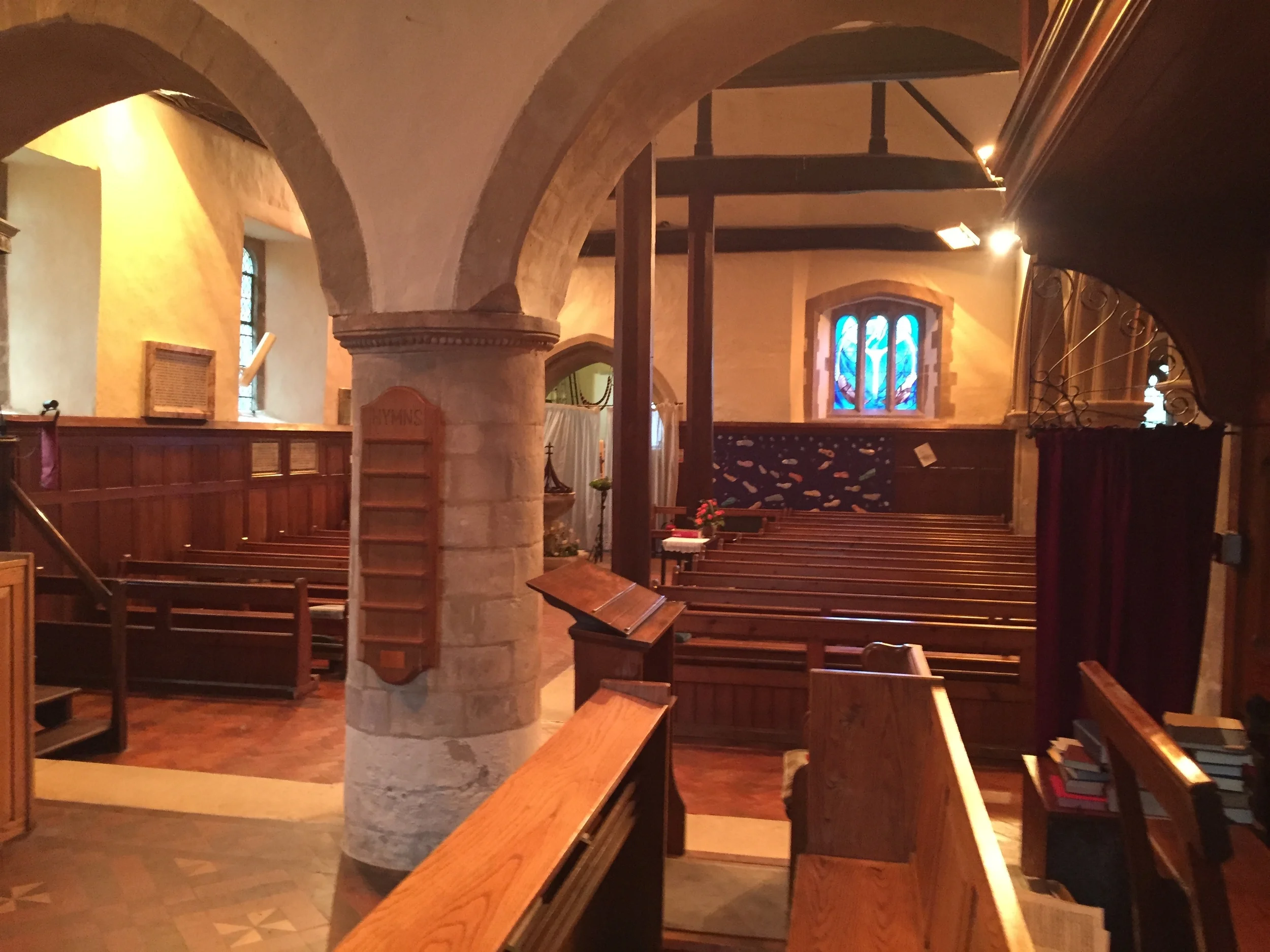 e-caption"> e-caption">-block-type="5">design-layout-inlineapper"> Hopkins, Stephen (I3358)
| 92 |
Robert the Magnificent (French: le Magnifique;[a] 22 June 1000 – 1–3 July 1035) was the duke of Normandy from 1027 until his death in 1035. Owing to uncertainty over the numbering of the dukes of Normandy he is usually called Robert I, but sometimes Robert II with his ancestor Rollo as Robert I. He was the son of Richard II and brother of Richard III, who preceded him as the duke. Less than a year after his father's death, Robert revolted against his brother's rule, but failed. He would later inherit Normandy after his brother's death. He was succeeded by his illegitimate son, William the Conqueror, who became the first Norman king of England in 1066, following the Norman conquest of England. >padding: 0px;">Contentstom: 0.1em;">1Biographyype: none; text-align: left; list-style-image: none; margin: 0px 0px 0px 2em; padding: 0px;">und: none transparent scroll repeat 0% 0%; color: #0645ad;" href="https://en.wikipedia.org/wiki/Robert_I,_Duke_of_Normandy#Early_reign">1.1Early reign>1.2Outside of Normandys="toclevel-2 tocsection-4" style="margin-bottom: 0.1em;">1.3Church and pilgrimagerepeat 0% 0%; color: #0645ad;" href="https://en.wikipedia.org/wiki/Robert_I,_Duke_of_Normandy#Concubines_and_children">2Concubines and childrenle="text-decoration: none; background: none transparent scroll repeat 0% 0%; color: #0645ad;" href="https://en.wikipedia.org/wiki/Robert_I,_Duke_of_Normandy#Notes">3Notesrgin-bottom: 0.1em;">4Referencesdiv>e; font-weight: normal; color: #000000; font-style: normal; orphans: 2; widows: 2; margin: 1em 0px 0.25em; letter-spacing: normal; line-height: 1.3; background-color: #ffffff; text-indent: 0px; font-variant-ligatures: normal; font-variant-caps: normal; -webkit-text-stroke-width: 0px; text-decoration-thickness: initial; text-decoration-style: initial; text-decoration-color: initial; padding: 0px;">Biography[edit]0; color: #202122; font-style: normal; clear: right; orphans: 2; widows: 2; margin: 0.5em 0px 1.3em 1.4em; letter-spacing: normal; background-color: #ffffff; text-indent: 0px; font-variant-ligatures: normal; font-variant-caps: normal; -webkit-text-stroke-width: 0px; text-decoration-thickness: initial; text-decoration-style: initial; text-decoration-color: initial;">font-size: 13px; overflow: hidden; width: 222px; min-width: 100px; text-align: center; background-color: #f8f9fa; border: #c8ccd1 1px solid; padding: 3px;">  -height: 1.4em; border: 0px; padding: 3px;">t-family: sans-serif; white-space: normal; word-spacing: 0px; text-transform: none; font-weight: 400; color: #202122; font-style: normal; orphans: 2; widows: 2; margin: 0.5em 0px; letter-spacing: normal; background-color: #ffffff; text-indent: 0px; font-variant-ligatures: normal; font-variant-caps: normal; -webkit-text-stroke-width: 0px; text-decoration-thickness: initial; text-decoration-style: initial; text-decoration-color: initial;">Robert was the son of Richard II of Normandy and Judith, daughter of Conan I, Duke of Brittany. He was also grandson of Richard I of Normandy, great-grandson of William I of Normandy and great-great grandson of Rollo, the Viking who founded Normandy. Before he died, Richard II had decided his elder son Richard III would succeed him while his second son Robert would become Count of Hiémois.[1] In August 1026 their father, Richard II, died and Richard III became duke, but soon afterwards Robert rebelled against his brother, was subsequently defeated and forced to swear fealty to his older brother Richard.[2] -height: 1.4em; border: 0px; padding: 3px;">t-family: sans-serif; white-space: normal; word-spacing: 0px; text-transform: none; font-weight: 400; color: #202122; font-style: normal; orphans: 2; widows: 2; margin: 0.5em 0px; letter-spacing: normal; background-color: #ffffff; text-indent: 0px; font-variant-ligatures: normal; font-variant-caps: normal; -webkit-text-stroke-width: 0px; text-decoration-thickness: initial; text-decoration-style: initial; text-decoration-color: initial;">Robert was the son of Richard II of Normandy and Judith, daughter of Conan I, Duke of Brittany. He was also grandson of Richard I of Normandy, great-grandson of William I of Normandy and great-great grandson of Rollo, the Viking who founded Normandy. Before he died, Richard II had decided his elder son Richard III would succeed him while his second son Robert would become Count of Hiémois.[1] In August 1026 their father, Richard II, died and Richard III became duke, but soon afterwards Robert rebelled against his brother, was subsequently defeated and forced to swear fealty to his older brother Richard.[2]Early reign[edit]e: 14px; font-family: sans-serif; white-space: normal; word-spacing: 0px; text-transform: none; font-weight: 400; color: #202122; font-style: normal; orphans: 2; widows: 2; margin: 0.5em 0px; letter-spacing: normal; background-color: #ffffff; text-indent: 0px; font-variant-ligatures: normal; font-variant-caps: normal; -webkit-text-stroke-width: 0px; text-decoration-thickness: initial; text-decoration-style: initial; text-decoration-color: initial;">When Richard III died a year later, there were suspicions that Robert had something to do with his death. Although nothing could be proven, Robert had the most to gain.[3] The civil war Robert I had brought against his brother Richard III was still causing instability in the duchy.[3] Private wars raged between neighbouring barons. This resulted in a new aristocracy arising in Normandy during Robert's reign.[3] It was also during this time that many of the lesser nobility left Normandy to seek their fortunes in southern Italy and elsewhere.[3] Soon after assuming the duchy, possibly in revenge for supporting his brother against him, Robert I assembled an army against his uncle, Robert, Archbishop of Rouen and Count of Évreux. A temporary truce allowed his uncle to leave Normandy in exile but this resulted in an edict excommunicating all of Normandy, which was only lifted when Archbishop Robert was allowed to return and his countship was restored.[4] Robert also attacked another powerful churchman, his cousin Hugo III d'Ivry, Bishop of Bayeux, banishing him from Normandy for an extended period of time.[5] Robert also seized a number of church properties belonging to the Abbey of Fecamp.[6]Outside of Normandy[edit]gin: 0.5em 0px; letter-spacing: normal; background-color: #ffffff; text-indent: 0px; font-variant-ligatures: normal; font-variant-caps: normal; -webkit-text-stroke-width: 0px; text-decoration-thickness: initial; text-decoration-style: initial; text-decoration-color: initial;">Despite his domestic troubles Robert decided to intervene in the civil war in Flanders between Baldwin V, Count of Flanders and his father Baldwin IV whom the younger Baldwin had driven out of Flanders.[7] Baldwin V, supported by king Robert II of France, his father-in-law, was persuaded to make peace with his father in 1030 when Duke Robert promised the elder Baldwin his considerable military support.[7] Robert gave shelter to Henry I of France against his mother, Queen Constance, who favored her younger son Robert to succeed to the French throne after his father Robert II.[8] For his help Henry I rewarded Robert with the French Vexin.[8] In the early 1030s Alan III, Duke of Brittany began expanding his influence from the area of Rennes and appeared to have designs on the area surrounding Mont Saint-Michel.[9] After sacking Dol and repelling Alan's attempts to raid Avranches, Robert mounted a major campaign against his cousin Alan III.[9] However, Alan appealed to their uncle, Archbishop Robert of Rouen, who then brokered a peace between Duke Robert and his vassal Alan III.[9] His cousins, the Athelings Edward and Alfred, sons of his aunt Emma of Normandy and Athelred, King of England had been living at the Norman Court and at one point Robert, on their behalf, attempted to mount an invasion of England but was prevented in doing so, it was said, by unfavorable winds,[10] that scattered and sank much of the fleet. Robert made a safe landing in Guernsey. Gesta Normannorum Ducum stated that King Cnut sent envoys to Duke Robert offering to settle half the Kingdom of England on Edward and Alfred. After postponing the naval invasion he chose to also postpone the decision until after he returned from Jerusalem.[11]Church and pilgrimage[edit]2; margin: 0.5em 0px; letter-spacing: normal; background-color: #ffffff; text-indent: 0px; font-variant-ligatures: normal; font-variant-caps: normal; -webkit-text-stroke-width: 0px; text-decoration-thickness: initial; text-decoration-style: initial; text-decoration-color: initial;">Robert's attitude towards the Church had changed noticeably certainly since reinstating his uncle's position as Archbishop of Rouen.[12] In his attempt to reconcile his differences with the Church he restored property that he or his vassals had confiscated, and by 1034 had returned all the properties he had earlier taken from the abbey of Fecamp.[13]After making his illegitimate son William his heir, he set out on pilgrimage to Jerusalem.[14] According to the Gesta Normannorum Ducum he travelled by way of Constantinople, reached Jerusalem, fell seriously ill and died[b] on the return journey at Nicaea on 2 July 1035.[14] His son William, aged about eight, succeeded him.[15] According to the historian William of Malmesbury, decades later his son William sent a mission to Constantinople and Nicaea, charging it with bringing his father's body back to Normandy for burial.[16] Permission was granted, but, having travelled as far as Apulia (Italy) on the return journey, the envoys learned that William himself had meanwhile died.[16] They then decided to re-inter Robert's body in Italy.[16] Concubines and children[edit]2122; font-style: normal; orphans: 2; widows: 2; margin: 0.5em 0px; letter-spacing: normal; background-color: #ffffff; text-indent: 0px; font-variant-ligatures: normal; font-variant-caps: normal; -webkit-text-stroke-width: 0px; text-decoration-thickness: initial; text-decoration-style: initial; text-decoration-color: initial;">By his mistress or concubine, Herleva of Falaise,[17][18] he was father of:
Duke of Normandy, Robert I, (The Magnificent) (I3555)
| 93 |
|